The Evolution of Concrete: From Industrial Origins to Contemporary Interiors
09/11/2026
Caesarstone
Caesarstone
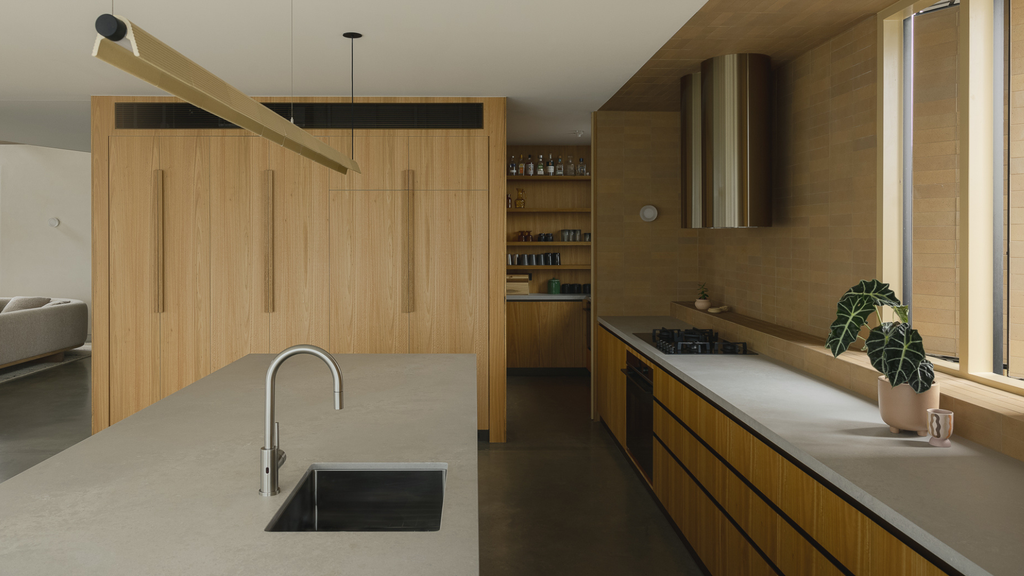
Once associated with exposed structures, industrial warehouses and Brutalist architecture, concrete has become a defining influence in contemporary interior design. Its raw character, subtle tonal variation and architectural presence bring depth and authenticity to modern spaces.
Today, the concrete aesthetic extends far beyond traditional industrial interiors. From soft, cloudlike finishes to weathered greys and dramatic charcoal tones, Caesarstone ICON and Porcelain surfaces reinterpret this enduring design material for contemporary kitchens and bathrooms.
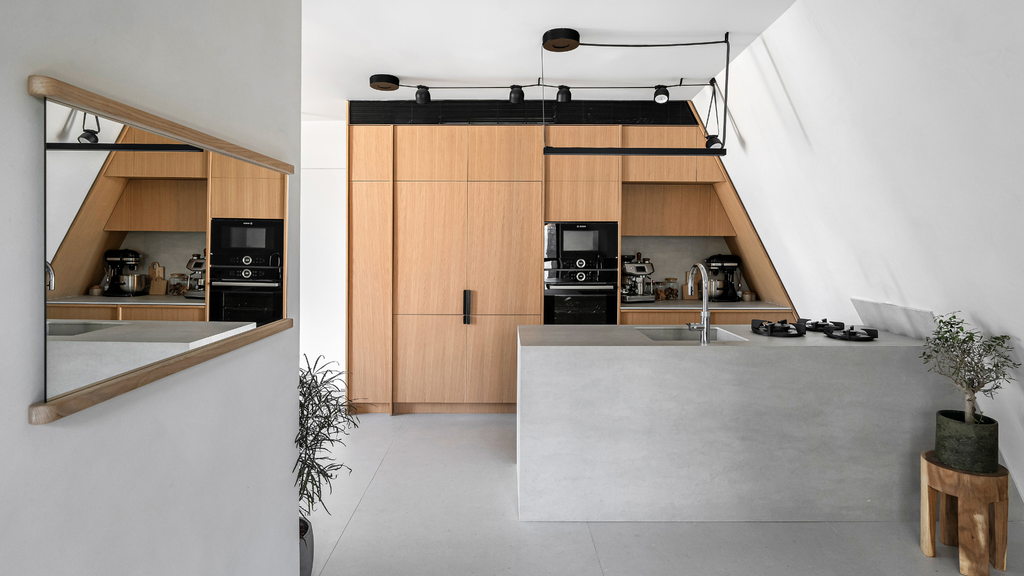
The appeal of industrial design lies in its honesty. Exposed structural elements, steel-framed glazing and utilitarian materials create spaces that feel authentic rather than overly decorated. In contemporary interiors, this aesthetic has evolved into a more considered approach, where raw character meets refined detailing.
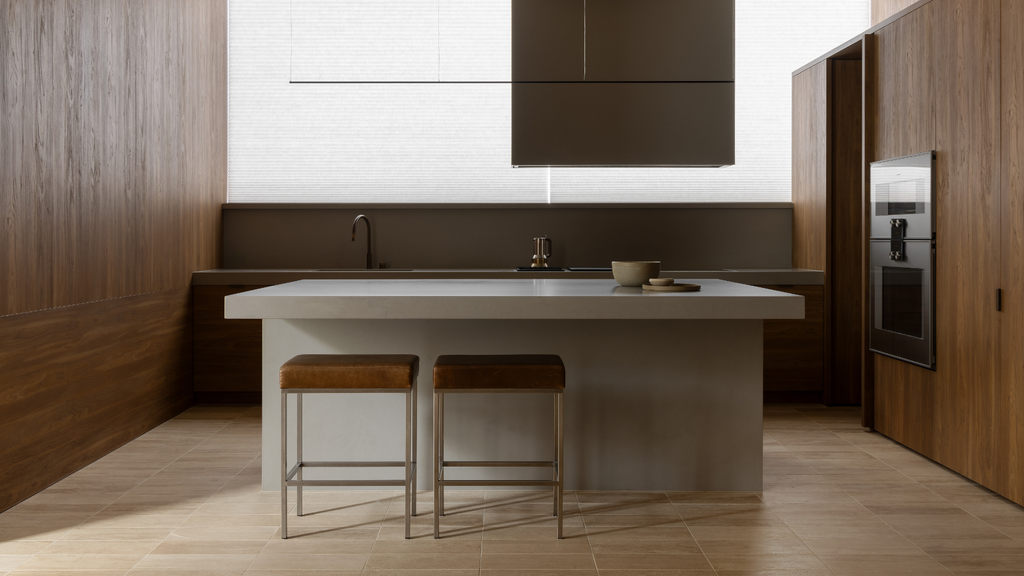
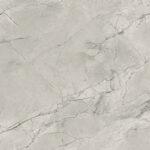
Surfaces such as Raw Concrete, with its subtle mineral detailing and understated grey base, capture this industrial influence. Similarly, Aluminous brings the character of freshly poured cement into contemporary spaces through its granular patina and neutral tones. Paired with warm timber, stainless steel and architectural joinery, these surfaces create a balance between industrial strength and modern sophistication.
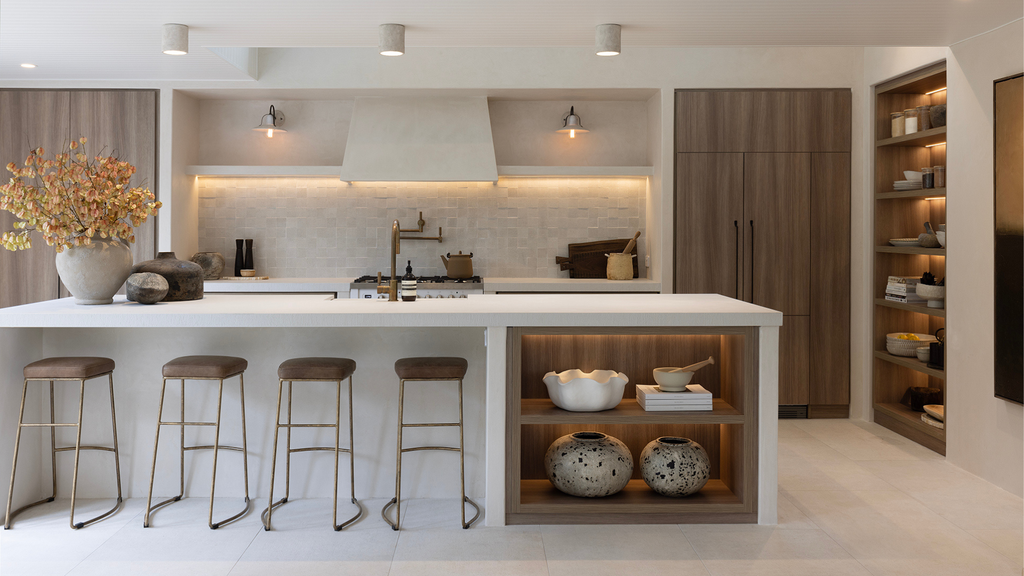
While traditional industrial interiors often featured cool greys and hard-edged materials, contemporary design embraces a softer interpretation. Light-filled spaces, warm neutral palettes and organic materials have transformed the way concrete is incorporated into the home.
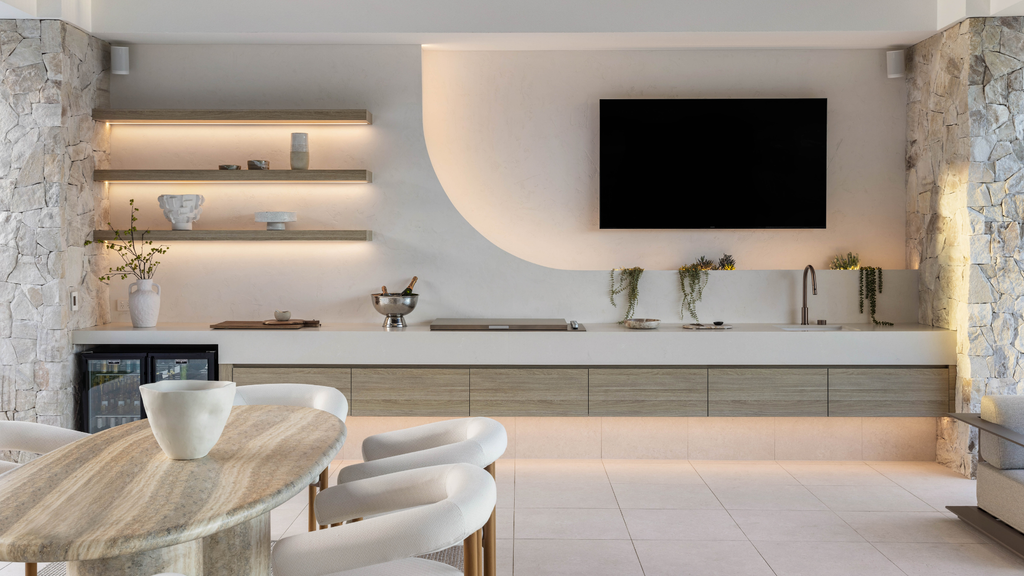
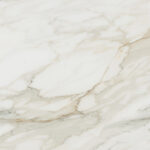
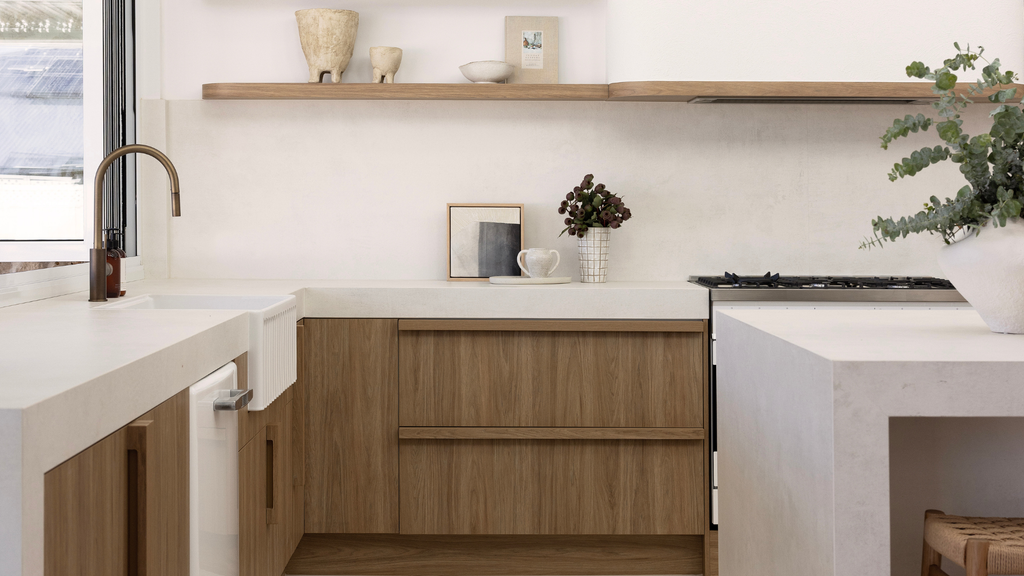
Cloudburst Concrete, with its delicate white movement, brings an airy quality to kitchens and bathrooms, while White Ciment introduces the subtle character of whitewashed concrete. For a warmer expression, Fresh Concrete combines soft greys with mellow taupe undertones. Together, these surfaces demonstrate how concrete can complement natural oak, earthy cabinetry and understated architectural details without dominating the space.
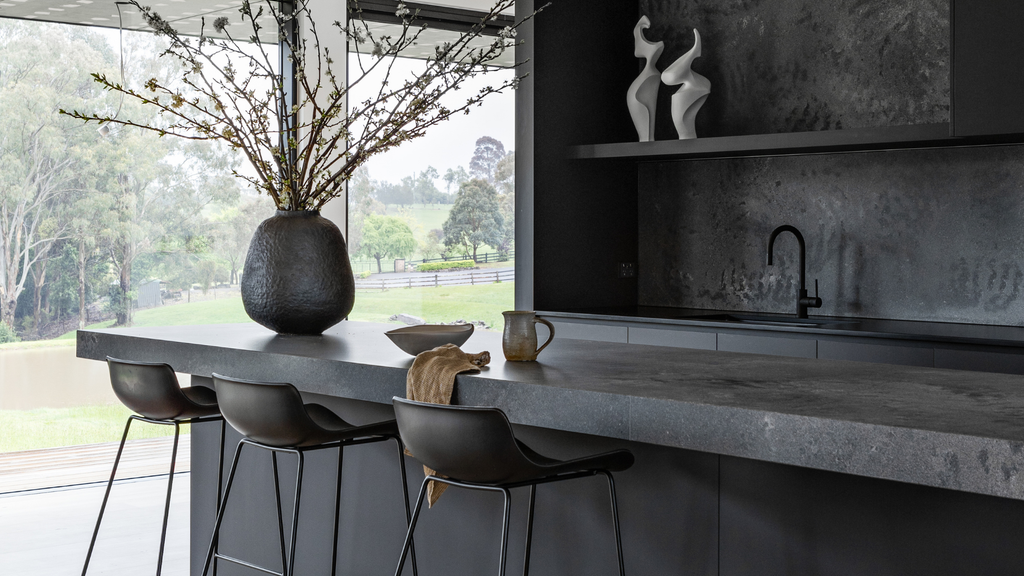
One of concrete’s most compelling qualities is its imperfect appearance. Subtle tonal shifts, cloudlike formations and weathered effects bring character to a material traditionally associated with strength and simplicity.
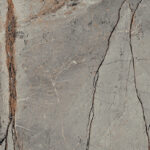
This sense of movement is reflected in Airy Concrete, where deep dove-grey tones meet layers of silver, slate and soft ivory. For a bolder architectural statement, Rugged Concrete combines charcoal and graphite with sweeping variations of grey and chalky white. Against minimalist cabinetry and clean architectural lines, these surfaces introduce visual depth without the need for elaborate detailing.
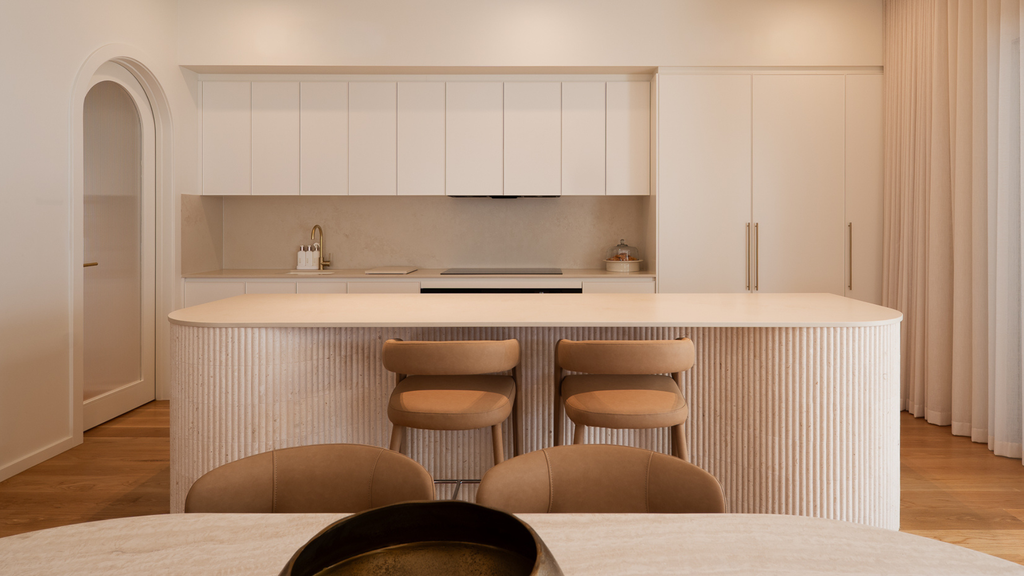
The evolution towards warmer, more grounded interiors also creates opportunities to explore complementary materials. Adamina, inspired by sandstone and desert landscapes, offers an earthy alternative, with layers of sand, soft taupe and neutral putty that pair beautifully with timber, ceramics and natural stone.
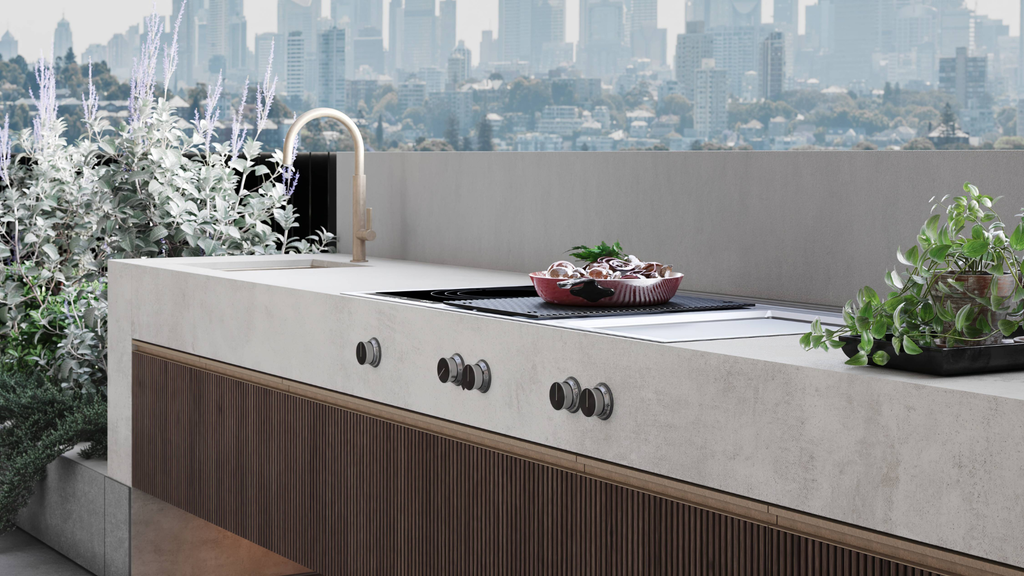
As indoor and outdoor living spaces become increasingly connected, material continuity plays an important role in contemporary Australian design. Caesarstone Porcelain surfaces, including White Ciment and Aluminous, bring the concrete aesthetic into outdoor kitchens and entertaining areas, with UV-resistant properties suited to exterior applications.
Finishing details are equally important. A mitred edge can create the appearance of a substantial, monolithic benchtop, reinforcing the clean architectural lines associated with concrete. Unlike poured concrete, Caesarstone ICON and Porcelain surfaces also offer practical benefits, including resistance to everyday stains and scratches without the need for routine sealing.
From raw industrial character to softer, more refined interpretations, concrete continues to inspire contemporary interiors. Explore Caesarstone’s collection and discover how colour, texture and material can shape your next design project.
{{ subtitle }}
{{ subtitle }}
{{ subtitle }}
{{ i.desc }}
{{ subtitle }}
{{ subtitle }}
No worries! We will send you an email to reset your password
If '{{this.email}}' email address exists, we have sent an email with password reset instructions.
Please note: If the email does not show up within one hour, check your spam folder or try to reset your password again after one hour.